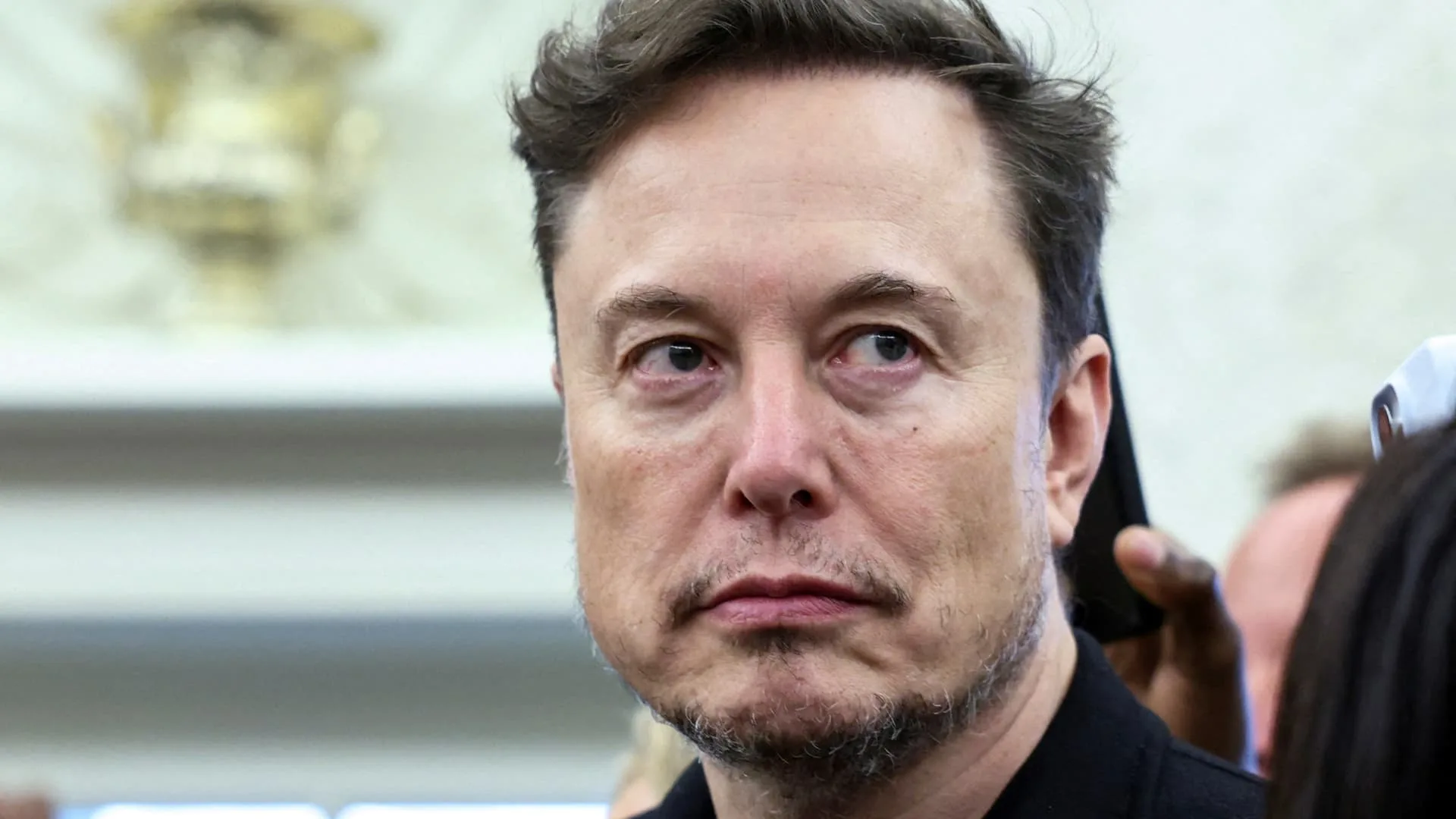
Residents, environmental groups and elected officials cite noise, emissions and lack of local consultation around SpaceXAI’s Colossus I and II in Greater Memphis — a model opponents say other communities should avoid.
Two years after Elon Musk accelerated construction of AI data centers and power infrastructure in Greater Memphis, the sites known as Colossus and Colossus II have become a focal point for mounting public opposition to hyperscale AI facilities. Neighbors report persistent noise and emissions from natural gas turbines, legal challenges and local political fallout that policy makers and activists across the U.S. now cite as a cautionary example.
Introduction: What happened and why it matters
SpaceXAI — acquired by SpaceX and central to Musk’s AI ambitions — built multiple data centers and a large gas-turbine power complex on more than 1,100 acres in Greater Memphis, including a major plant in Southaven, Mississippi. Residents say they were not consulted before construction and now face disruptive turbine noise, higher utility bills and health and environmental concerns. The controversy has inspired protests, litigation and new state-level proposals that specifically reference Memphis when setting limits on AI data center builds.
Market Reaction
- SpaceX completed a record-setting IPO in June with Colossus facilities highlighted in its growth narrative.
- Commercial deals at Colossus have been signed with cloud and AI firms including Google, Anthropic and Reflection AI to rent compute capacity.
- Reports cite agreements worth as much as $2.32 billion per month for rented capacity at Colossus and Colossus II, as disclosed in the source article.
Why it matters
The Memphis case is informing policy and politics beyond Tennessee and Mississippi. New York enacted a one-year moratorium on AI data center construction, and New Jersey passed legislation to make data centers pay a fairer share of electricity costs. Lawmakers, local officials and community groups are using Memphis as a template for zoning updates, ballot challenges and regulatory action aimed at preventing similar local impacts from data center projects proposed by Microsoft (MSFT), Meta (META), Google (GOOGL), OpenAI (OPENAI.FG) and others.
Context & Background
- Purpose: Colossus facilities were built to train and operate xAI’s Grok models and chatbot infrastructure.
- Scale & speed: Musk said Colossus I was completed in 122 days. The buildout included gas-burning turbines intended to supply substantial power to the data centers.
- Local footprint: SpaceXAI bought more than 1,100 acres in Greater Memphis and constructed large-scale generation and computing facilities.
- Employment and taxes: SpaceXAI reported paying $25 million in taxes during its first year in operation, making it a major property taxpayer in Shelby County, according to Memphis Mayor Paul Young.
Community impacts described in the source
- Noise: Southaven resident Jason Haley, within a mile of Colossus II, described the turbine noise as “like a form of torture.” Haley joined a proposed class action lawsuit alleging public nuisance from excessive noise.
- Health and pollution concerns: Environmental groups and the NAACP, represented by the Southern Environmental Law Center and Earthjustice, have challenged SpaceXAI under the federal Clean Air Act for operating dozens of gas turbines without required permits and pollution controls.
- Financial effects: Several residents reported higher water and electricity bills after SpaceXAI’s arrival; the local utility, Memphis Light Gas & Water, said rates “have not been impacted” by SpaceXAI and stated that a planned electric rate increase was not due to any data center load.
- Community consultation and mitigation: Mayor Paul Young said the city sought to mitigate negative impacts while amplifying positives, but residents and advocates say promised mitigation measures — such as a water recycling plant — have been delayed.
Legal battles and federal involvement
- Class actions: Southaven residents filed a proposed class action against SpaceX claiming nuisance from noise. Similar suits have been filed by neighbors of other hyperscaler projects, including a proposed class action in Mt. Pleasant, Wisconsin over noise at Microsoft’s Fairwater Data Center.
- Clean Air Act litigation: The NAACP and environmental groups filed suit alleging violations related to turbine emissions (including nitrogen oxides and PM2.5). The DOJ moved to intervene and urged dismissal, citing national security considerations tied to SpaceXAI technology’s role in U.S. military operations, per court filings referenced in the source.
- Company defense: SpaceX asserts the turbines now on site are temporary and that permitted turbines with pollution controls are planned.
Why Memphis has become a blueprint for opposition
Community leaders, activists and some energy experts say Colossus provides a case study of what can go wrong when rapid hyperscale development proceeds without thorough local engagement, stronger permitting, transparent impact assessments and enforceable community benefits. Jigar Shah, former head of the DOE loan program office, told the source that Colossus “is a case study for what not to do” even as developers profited.
Local political and regulatory fallout
- State and local action: New York’s one-year moratorium and New Jersey’s electricity cost-sharing law are examples of policy responses influenced by the Memphis experience.
- Zoning changes and election effects: Nearby municipalities updated zoning to limit similar builds; in Utah, support for a proposed data center was a factor in primary election defeats for local officials who backed the project.
Key quotes
- Jigar Shah: “When you think about what precedent Colossus has set, it hasn’t been a great one… It certainly is a case study for what not to do in most of the rest of the country. But from a capitalist standpoint, they got rewarded.”
- Elon Musk (roadshow interview with JPMorgan CEO Jamie Dimon): “There are very few people who want a power plant in their backyard… Most communities are not super excited about that.”
- Mayor Paul Young: SpaceXAI paid $25 million in taxes its first year and the city worked “to mitigate the potential negative impacts and how to amplify the positives.”
Bottom Line for Traders
The Memphis backlash to SpaceXAI’s Colossus centers on community, environmental and regulatory risks that can affect hyperscaler project timelines, permitting outcomes and political climate for future data center investments. Investors and market participants monitoring the sector should note rising public opposition, litigation risk and state-level policy responses that could shape capital allocation and site selection for large-scale AI compute facilities.
What’s next
The legal challenges, policy proposals and community organizing catalyzed by the Memphis buildout are likely to continue influencing decisions by hyperscalers and local governments. Watch for permit outcomes, court rulings related to Clean Air Act claims, and additional state or municipal measures that could alter the economics or feasibility of new AI data centers in contested communities.
$SPCX Live Price, Interactive Charts and Performance Graphs
Market data may be delayed. See StockMarketLoop’s financial disclaimer.