U.S. Central Command says precision strikes hit Iranian coastal defenses and missile facilities on Greater Tunb Island; President Trump warns infrastructure targets including power plants and bridges unless Iran returns to talks.
The U.S. launched a fresh wave of strikes on Iran early Wednesday, aiming to degrade systems Washington says Tehran used against commercial shipping in the Strait of Hormuz. Central Command (CENTCOM) said the operation began at 6:00 a.m. ET and concluded at 7:30 a.m. ET, with precision munitions directed at coastal defense systems and cruise-missile storage and launch sites on Greater Tunb Island.
What Happened
- CENTCOM posted on X that the strikes were intended “to further degrade military capabilities Iranian forces have used to attack commercial shipping in the Strait of Hormuz.”
- The specific targets named included Iran’s coastal defense systems and cruise missile infrastructure on Greater Tunb Island, a small island near the Strait of Hormuz in the Persian Gulf.
- CENTCOM had also conducted strikes against Iranian targets on Tuesday, and Tehran has launched attacks on multiple Gulf states in recent days.
President’s Statement and Threats
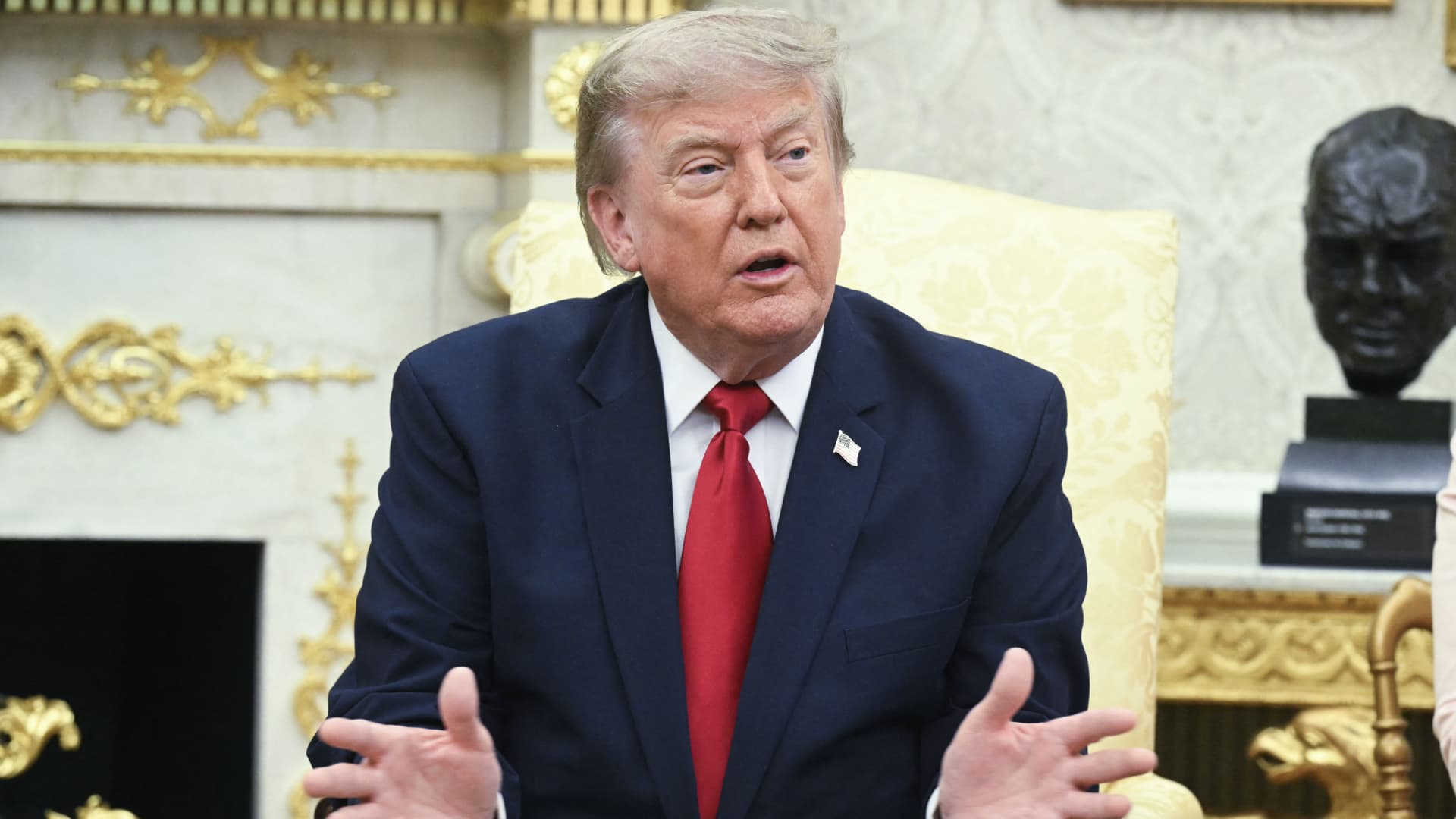
- In a Fox News interview Tuesday evening, former President Donald Trump said U.S. forces would intensify strikes: “We’re going to hit them very hard tonight… tomorrow night… the night after.”
- Trump warned that, absent a diplomatic breakthrough, U.S. strikes would expand next week to Iranian infrastructure: “Next week it gets really bad for them because next week comes the power plants… Next week comes the bridges. We’re going to knock out all their power plants. We’re going to knock out all their bridges unless they get to the table and negotiate.”
- Earlier this week Trump also threatened a 20% levy on cargo transiting the Strait of Hormuz but reversed course and abandoned that demand on Tuesday, saying Gulf states would instead invest in the U.S. as repayment.
Market Reaction
Oil prices edged higher on Wednesday morning amid renewed concerns about transit safety in the Strait of Hormuz. The article notes front-month Brent crude futures held above the $85-per-barrel mark, reflecting supply-risk concerns tied to the Gulf shipping route.
Industry Response
Jakob Larsen, chief safety and security officer at international shipping body BIMCO, told CNBC’s Squawk Box Europe that shifting messages from leaders add confusion for the shipping industry. “All these messages going back and forth and changing direction completely just adds to the confusion and the complexity of the whole situation,” he said, adding the environment now carries “increased uncertainty, increased risks, and with that comes higher prices.”
Analysis — Risk of a Protracted Conflict
Mike Rosenberg, management professor at IESE Business School, said in an email to CNBC that prospects for a settlement appear dim. He called the Islamabad Memorandum signed by Trump on June 14 “unrealistic” and warned both sides’ desire to claim victory will hamper a quick resolution.
Rosenberg suggested the most plausible outcome might be “a new version of the joint plan of action that Obama and his team developed years ago,” but said such terms would be difficult for the Trump administration to accept and that Pakistan may have to broker a ceasefire without nuclear guarantees.
Andreas Böhm, lecturer in international affairs at the University of St. Gallen, described the situation as “tricky” and at risk of turning into a long, low-level conflict. He said Trump “started the war without a goal,” making it hard to anticipate next steps and arguing that diplomacy now faces a narrower runway.
Context & Background
The strikes follow earlier U.S. actions last week in retaliation for attacks on commercial ships transiting the Strait of Hormuz. Trump subsequently declared the prior ceasefire “over.”
Greater Tunb Island was identified by CENTCOM as the location for strikes targeting cruise missile storage and launch infrastructure.
Key Quotes
- CENTCOM (on X): Strikes “are designed to further degrade military capabilities Iranian forces have used to attack commercial shipping in the Strait of Hormuz.”
- Trump (Fox News): “We’re going to knock out all their power plants. We’re going to knock out all their bridges unless they get to the table and negotiate.”
- Jakob Larsen, BIMCO: “…increased uncertainty, increased risks, and with that comes higher prices.”
- Mike Rosenberg, IESE Business School: “The current return to war makes it clear that the terms of the Islamabad Memorandum… were unrealistic at the time.”
What’s Next
CENTCOM and U.S. officials have signaled continued military pressure intended to protect shipping routes, while the White House has tied the prospect of further escalation to Iran’s willingness to re-enter negotiations.
Observers cited in the source say durable resolution will likely require diplomacy, but they warn negotiating space has narrowed.
Bottom Line for Traders
The article’s source links renewed military action in and around the Strait of Hormuz to higher energy-market risk premiums. Traders and market participants should note that the source-reported price context (Brent above $85 per barrel) reflects elevated geopolitical risk rather than new fundamental changes in oil supply documented in this article.