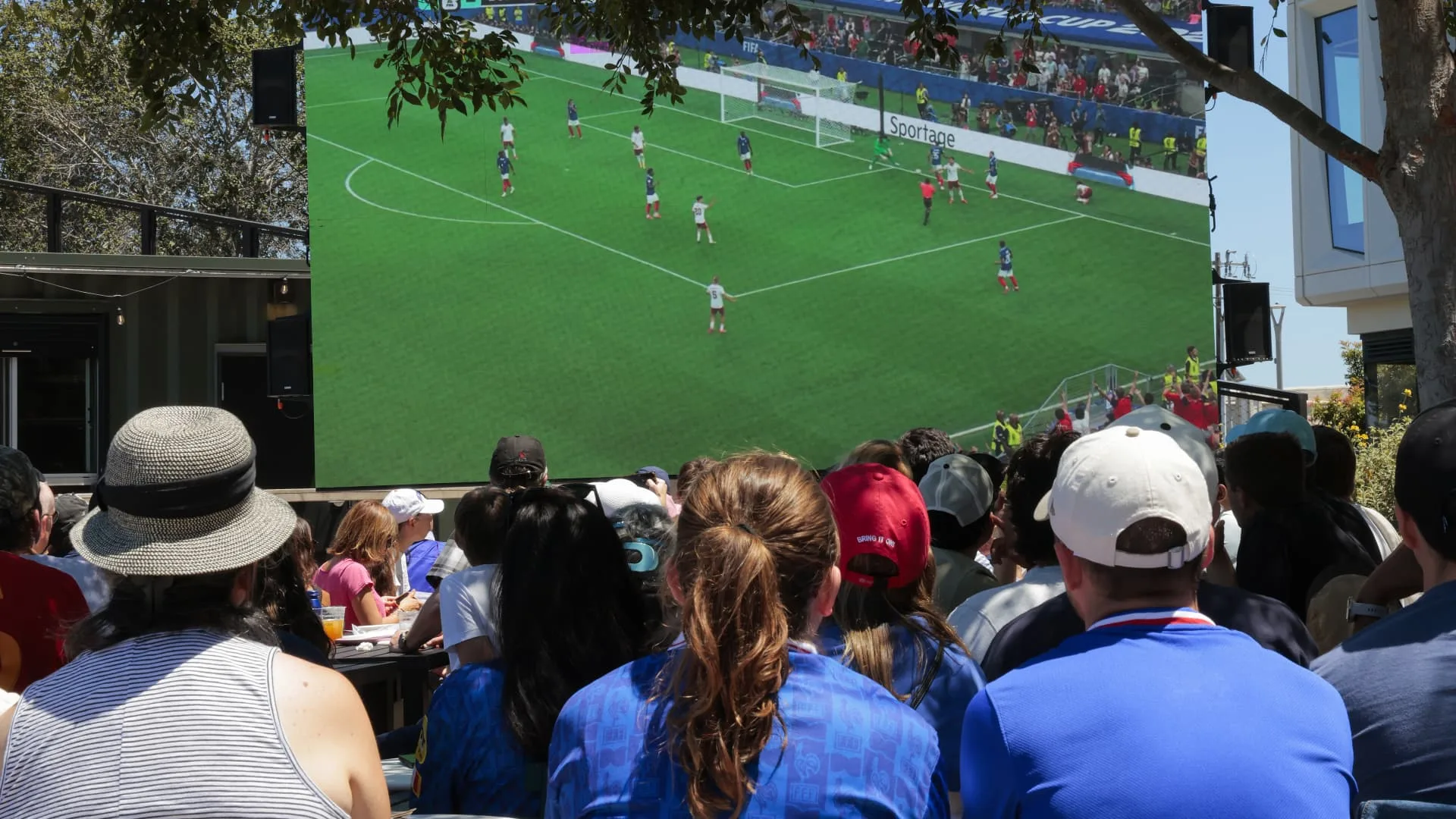
The Federal Reserve’s Beige Book reports that World Cup-related tourism lifted beer sales and hotel occupancy in host cities, but broader consumer spending softened as travelers and locals tightened discretionary budgets.
The Federal Reserve’s latest Beige Book found that the 2026 FIFA World Cup delivered localized spending gains — notably higher beer sales at bars and improved hotel occupancy in some host cities — but those pockets of strength did not translate into broad-based consumer spending growth across U.S. regions.
Market Reaction
- Boston: Hotels initially saw softer bookings tied to the World Cup but raised stay levels to meet forecasts after cutting room rates. Bars reported higher beer sales linked to match viewings; some venues reportedly ran out of beer as an influx of Scottish fans arrived.
- New York City: Hotels reported higher occupancy and increased prices per room related to the tournament. Several restaurants and bars called sales “strong” during match-viewing events, though some businesses noted fewer international visitors and reduced Canadian foot traffic.
- San Francisco Fed region: Cities that hosted matches recorded high tourist volumes. However, outside host markets, consumer demand for services slowed and locals pared back spending on restaurants, hotels and entertainment.
Why it matters
The Beige Book — the Fed’s twice-monthly snapshot of regional economic conditions — shows how a major sporting event can create concentrated economic benefits for hospitality, bars and entertainment venues in host cities, while broader consumer spending remains vulnerable to other pressures. The report highlights that localized tourism booms do not necessarily offset weaker spending patterns elsewhere in the economy.
Context & Background
- Ticket demand: The World Cup drew significant ticket interest; median admissions prices exceeded $900, according to TicketData, underscoring strong demand for match attendance.
- Cross-border travel: Multiple Fed districts cited lower Canadian visitation in some areas. The Boston Fed noted higher visitors from Canada than the prior summer, but still below historical averages. The New York Fed and others attributed reduced Canadian foot traffic to recent Canadian consumer choices and policy responses that lowered cross-border travel.
Consumer behavior and cost pressures
Across several Fed districts, the Beige Book reported that rising oil prices and other cost pressures prompted consumers to seek cheaper alternatives and reduce discretionary spending. The San Francisco Fed summarized that demand for consumer and business services “slowed somewhat on net,” as residents tightened budgets even where tourist inflows were strong.
Key Quotes
Boston: Bars saw elevated beer sales and heavy crowds during match events; some outlets reportedly depleted beer supplies during surges of visiting fans.
New York: While hotels benefited from higher occupancy and room rates, some mid-tier attractions and retailers did not see proportional sales increases despite greater foot traffic.
What’s next
The Beige Book provides regional snapshots rather than forecasts. Its findings signal that policymakers and market participants should weigh localized, event-driven gains against broader signs of softened consumer services demand when assessing near-term economic momentum.
Bottom Line for Traders
Traders and market observers should note that event-driven spending—like World Cup tourism—can produce transient pockets of revenue for hospitality and entertainment sectors in host cities, but such gains may be insufficient to offset region-wide reductions in discretionary spending tied to higher energy costs and reduced cross-border tourism.