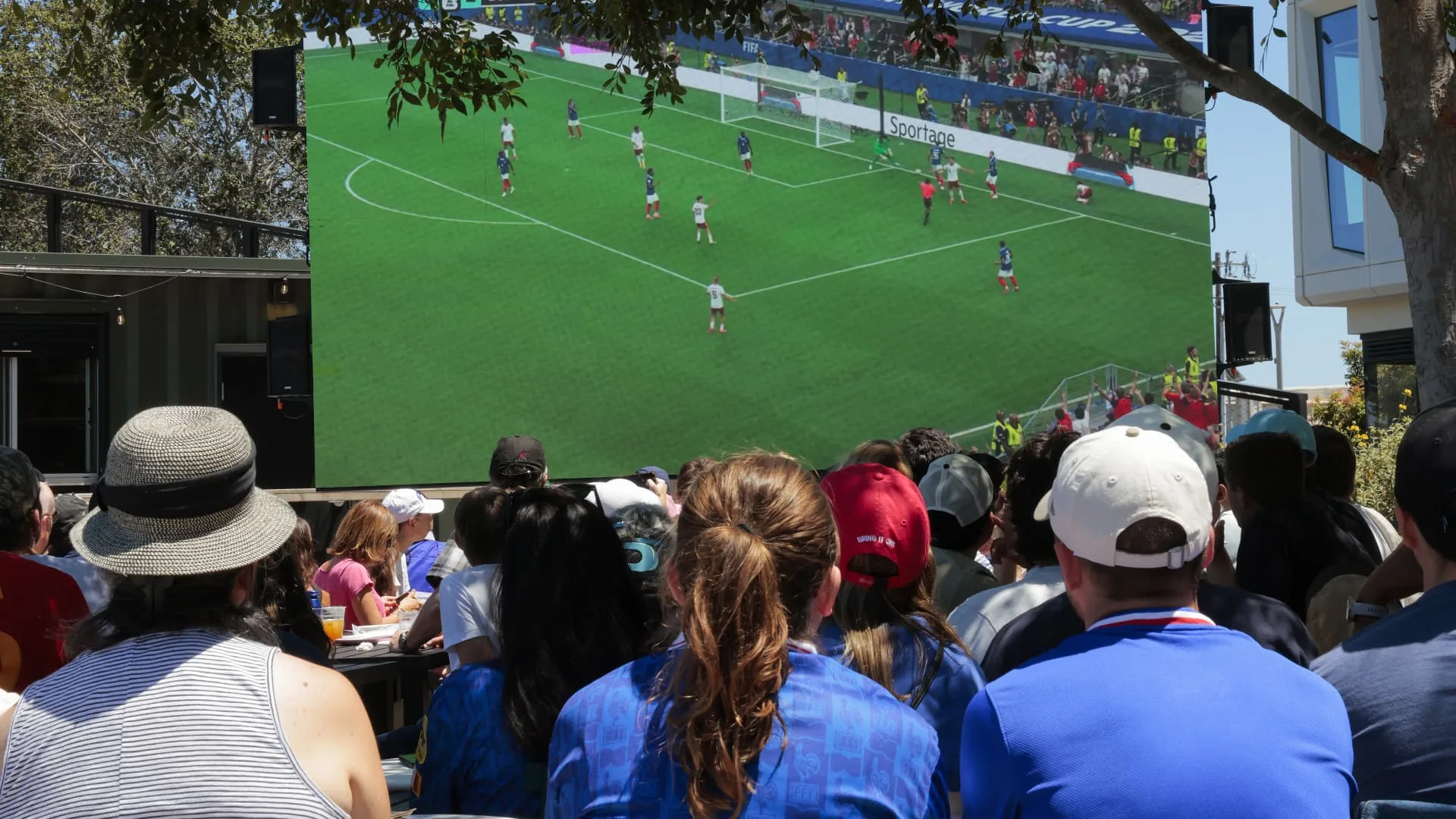
The Federal Reserve’s Beige Book finds FIFA World Cup 2026 drove higher hotel occupancy and bar sales in host cities but broader consumer spending softened as locals cut back.
The Federal Reserve’s regional survey released Wednesday found the FIFA World Cup 2026 delivered a measurable tourism lift to host cities — raising hotel occupancy and boosting bar and restaurant activity in specific markets — but the event did not spur broad-based consumer spending growth across the U.S.
Market Reaction
- Boston: Initial hotel bookings tied to the World Cup were softer than expected, according to the Boston Fed, but hotels later raised stay levels to meet forecasts after lowering room rates. Bars in Boston reported higher beer sales; some establishments ran out of beer during heavy Scottish fan attendance.
- New York City: The New York Fed said some restaurants and bars saw “strong” sales around match-viewing events and hotels reported higher occupancy and room pricing. Still, several mid-tier attractions saw softness, and one department store noted increased foot traffic did not lift sales. Some restaurants flagged fewer international visitors, with Canadian foot traffic down.
- San Francisco region: The San Francisco Fed recorded high tourist volumes in cities hosting matches, but noted that in other markets residents reduced spending on restaurants, hotels and entertainment. Overall demand for consumer and business services “slowed somewhat on net,” the report said.
Why It Matters
Event-driven tourism can produce concentrated gains for hospitality and food-and-beverage sectors in host cities, but the Fed’s report shows those gains were localized. Broader consumer behavior — influenced by rising oil prices and cross-border travel changes — capped aggregate services spending, limiting the tournament’s macroeconomic impact.
Context & Background
The report highlighted two cross-cutting factors that constrained broader spending:
- Energy costs: Several Fed districts said rising oil prices prompted consumers to pull back on discretionary purchases and search for cheaper alternatives.
- Cross-border travel shifts: The Boston and New York Fed districts noted fewer Canadian visitors compared with historical levels. The report attributes part of that decline to recent Canadian resistance to travel across the U.S. border and policy developments affecting cross-border flows.
Leadership / Corporate Governance
The Beige Book compiles anecdotal observations from the 12 regional Federal Reserve Banks; it does not make policy recommendations or issue forecasts. Its observations provide the Fed’s regional lens on how events — like the World Cup — interact with consumer behavior and sectoral demand.
Key Quotes
- Boston Fed: Hotels “saw stay levels rise to meet forecasts after lowering prices.”
- Boston Fed: Bars reported higher beer sales and some ran out of beer amid heavy Scottish fan attendance.
- San Francisco Fed: Demand for consumer and business services “slowed somewhat on net.”
What’s Next
The Beige Book’s regional snapshots will feed into Fed officials’ broader assessment of economic conditions ahead of policy deliberations. The snapshots suggest that isolated, short-term tourism boosts are insufficient to offset weakening discretionary spending in other regions, particularly when energy prices rise.
Bottom Line for Traders
For investors and market participants, the Beige Book signals that hospitality and select local retail names in match-hosting cities experienced temporary demand spikes, while many consumer-facing businesses outside host markets saw weaker traffic. The report supports the view that headline event-driven revenue bumps may not change broader consumption trends or monetary policy trajectories on their own.