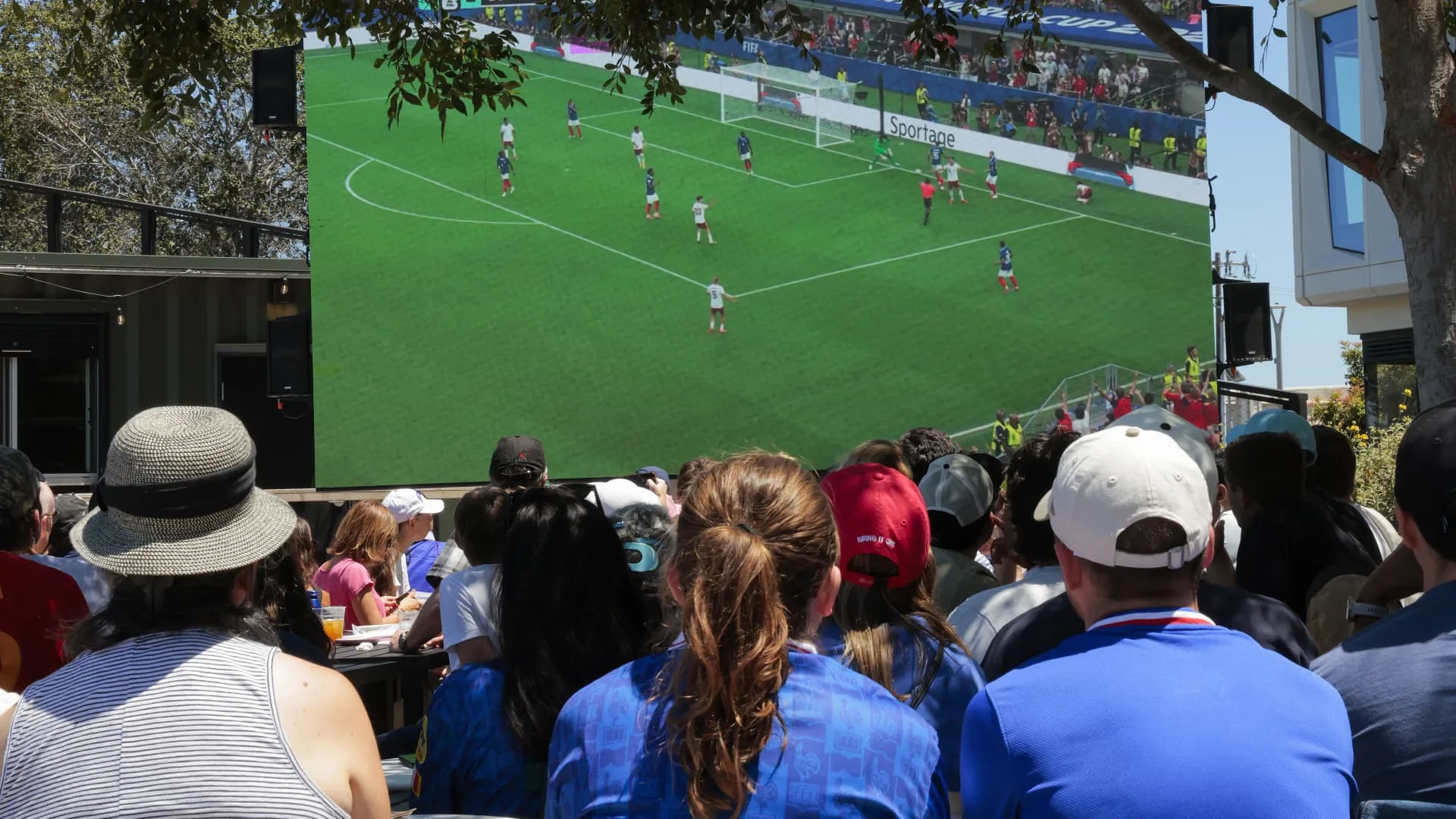
The Federal Reserve’s Beige Book finds World Cup-driven tourism lifted beer sales and hotel occupancy in some host cities, but broader consumer spending softened as visitors and locals cut back.
The Federal Reserve said the 2026 FIFA World Cup produced localized tourism gains — higher hotel bookings and stronger alcohol sales in some host cities — but those gains did not translate into broad consumer spending growth, according to the Fed’s Beige Book released Wednesday.
Market Reaction
- Boston: Hotels initially saw softer World Cup-related bookings but increased occupancy after cutting room prices. Local bars reported higher beer sales; some establishments ran out of beer amid a surge of visiting Scottish fans.
- New York City: Several hotels reported higher occupancy and room rates tied to the tournament, and some restaurants saw strong sales from match-viewing events. But other eateries reported fewer international visitors, and mid-tier attractions and some retailers experienced softer sales despite increased foot traffic.
- San Francisco: Fed coverage areas that hosted matches recorded high tourist volumes. Elsewhere in that district, consumer and business services demand “slowed somewhat on net” as locals trimmed spending on dining and entertainment.
Why It Matters
The report shows that major sporting events can produce meaningful, but concentrated, economic bumps — improving revenue for bars, certain hotels and hospitality venues in host cities — while leaving aggregate consumer spending constrained across regions. The Beige Book highlighted that rising oil prices and cost pressures led households to seek cheaper alternatives or reduce discretionary purchases.
Context & Background
TicketData reported median World Cup admissions prices topping $900 for this edition. The tournament drew international visitors, but some districts — including parts of the Boston Fed region covering coastal Maine and northern Vermont — still saw below-historical-average visitor levels. Canadian visitation to U.S. host markets was notably weaker than past summers, a trend the report linked to fewer Canadians crossing the border following recent Canadian government travel choices and reactions to U.S. trade policy changes.
Key regional observations
- Boston Fed: Hotel stay levels reached forecasts after price cuts; beer sales rose in city bars tied to World Cup viewership; visitation from Canada rose versus last summer but remained below historical norms in some areas.
- New York Fed: Hotels reported higher occupancy and room pricing related to tournament demand; some restaurants benefited from viewing events while others saw diminished international foot traffic; certain attractions and retailers saw muted conversion despite crowds.
- San Francisco Fed: Host cities experienced high tourist volumes; non-host markets reported local consumers pulling back on services and entertainment.
What’s next
The Beige Book does not provide forecasts, but its district-level snapshots suggest the World Cup’s economic effects will vary by market and are likely transient. Broader consumer spending appears to remain sensitive to energy costs and price-conscious behavior, factors that could limit longer-term spillovers from event-driven tourism.
Bottom line for Traders
For investors and market watchers, the Fed’s regional read emphasizes that headline tourism boosts from large events can be uneven and short-lived. Hospitality and leisure exposures tied specifically to host-city activity may see temporary revenue upticks, while broader consumer discretionary demand can remain constrained by cost pressures — a dynamic the Beige Book flagged across multiple districts.
Source: StockMarketLoop