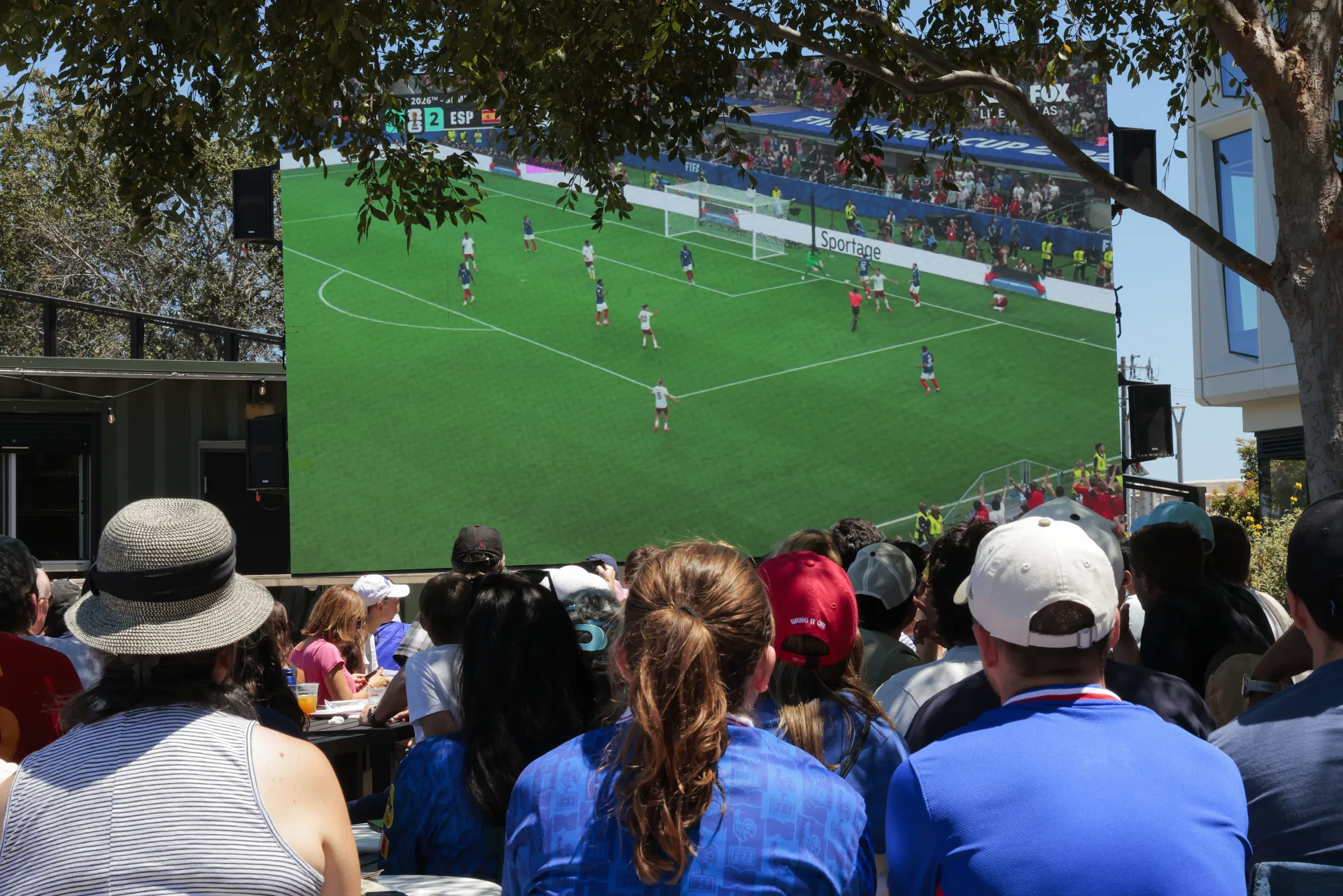
The Federal Reserve’s Beige Book shows FIFA World Cup 2026 lifted tourism and alcohol sales in host cities but did not trigger broad consumer spending growth as residents trimmed discretionary purchases.
The Federal Reserve’s latest Beige Book reports that the FIFA World Cup 2026 delivered localized revenue gains for hotels, bars and restaurants in host cities, but those gains were uneven and offset by weaker consumer spending in other regional markets. The tournament’s tourism surge helped some hospitality businesses — notably beer sales at bars and higher hotel occupancy in certain urban centers — while many areas saw consumers pull back on dining, entertainment and discretionary spending.
What the Beige Book found
- The report, compiled from regional Federal Reserve banks, said World Cup–related tourism raised demand for hotel rooms and boosted bar sales in some cities but did not translate into broad economic momentum.
- The Boston Fed noted initially softer hotel bookings tied to the tournament; hotels raised occupancy to forecasted levels only after reducing room rates. Boston bars reported higher beer sales and some ran out of beer during large match-viewing crowds.
- The New York Fed reported stronger sales for some restaurants and higher hotel occupancy and room rates connected to the World Cup, yet other attractions and retailers saw little to no lift from increased foot traffic.
- The San Francisco Fed found high tourist volumes in cities that hosted matches, but also noted that in other markets locals curtailed spending on restaurants, hotels and entertainment, leaving overall demand for services “slowed somewhat on net.”
Regional nuances and visitor trends
- The Boston Fed highlighted increased visitors from Canada compared with the previous summer, but still below historical norms; coastal Maine and northern Vermont were singled out as regions seeing below-average Canadian visits.
- The New York Fed reported mixed outcomes: some mid-tier attractions experienced softness even as hotels benefited from tournament-driven occupancy gains, and a department store reported that increased foot traffic did not convert into higher sales.
- The San Francisco Fed’s accounts reinforce the contrast: host cities experienced tourist inflows, while non-host markets showed discretionary spending weakness among residents.
Consumer behavior, energy costs and spending trade-offs
- Across multiple Fed districts, businesses reported that rising oil prices constrained household budgets, prompting consumers to seek cheaper alternatives or to cut discretionary spending. The Beige Book states these cost pressures capped growth in consumer spending in several regions.
- Several Fed contacts observed that while event-driven demand (World Cup viewers, tourists) generated temporary spikes in certain categories — notably alcohol and lodging — these were not broad enough to offset spending softness elsewhere.
Why it matters
For hospitality and leisure investors, the Beige Book underscores that event-driven revenue bumps can be sharp but localized and short-lived. For regional economists and policymakers, the report signals that national consumer resilience remains uneven and sensitive to energy price moves.
The findings suggest policymakers should weigh the uneven distribution of demand when assessing near-term consumer-sector momentum and regional economic conditions.
Key quotes from Fed contacts (as reported)
- Boston Fed: Hotels “saw stay levels rise to meet forecasts after lowering prices for rooms;” bars reported higher beer sales tied to matches.
- New York Fed: Some restaurants reported “strong” sales from match-viewing events, though other establishments reported fewer international visitors.
- San Francisco Fed: Demand for consumer and business services “slowed somewhat on net.”
Bottom Line for Traders
The Beige Book signals targeted hospitality upside from World Cup tourism but overall moderation in consumer services demand across several Fed districts. Traders and market watchers should view the tournament’s economic impact as patchy — supportive for specific hospitality names in affected cities but not evidence of broad consumer spending acceleration.