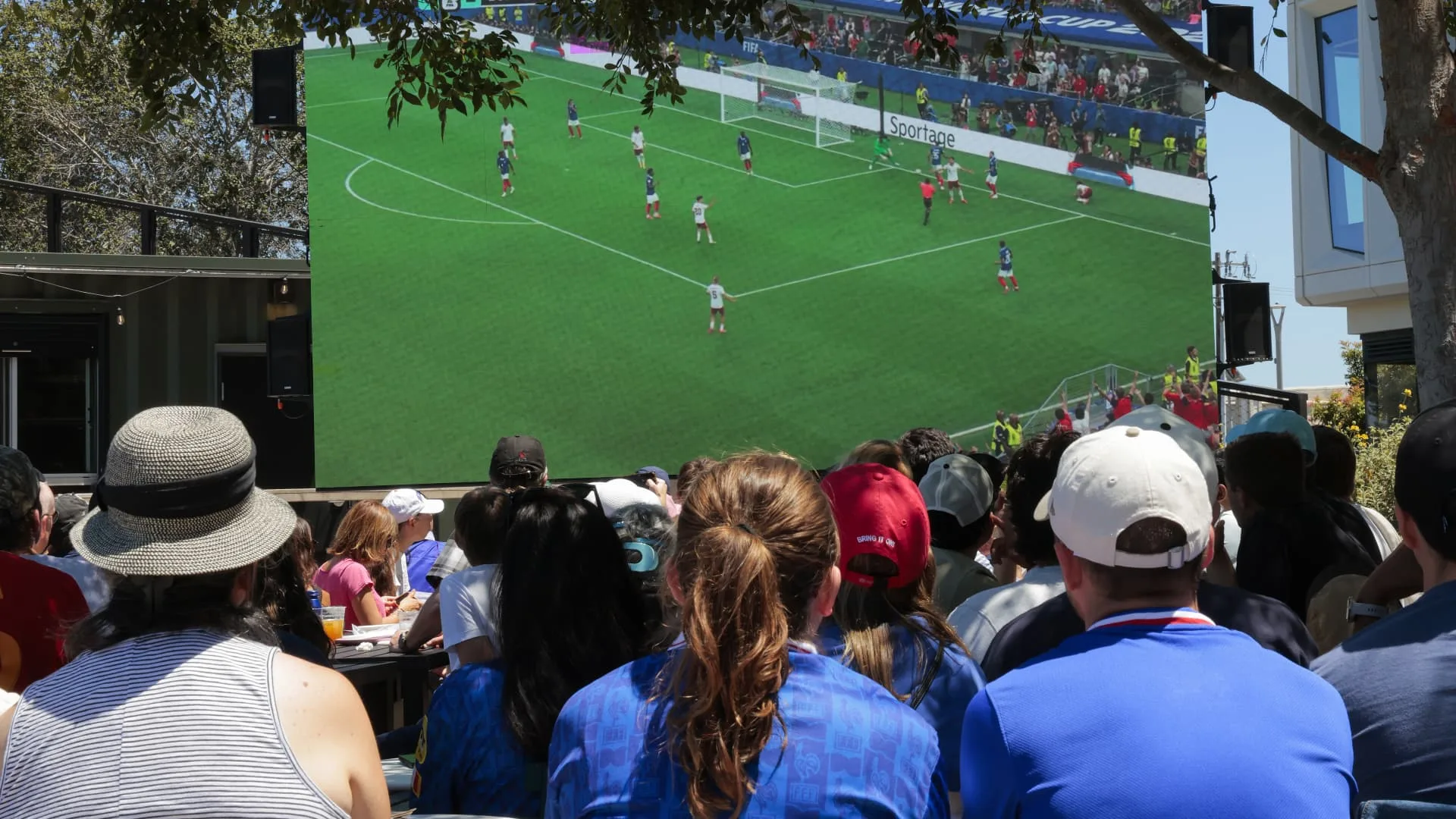
The Federal Reserve’s Beige Book found the 2026 FIFA World Cup lifted foot traffic, hotel occupancy and bar beer sales in host cities — yet consumer spending outside match locations softened as higher energy costs and fewer cross‑border visitors capped gains.
The Federal Reserve’s latest Beige Book review shows the U.S.-hosted FIFA World Cup delivered meaningful activity for bars, hotels and tourist areas in host cities, but the tournament did not translate into broad, sustained consumer spending growth across all regions.
Market Reaction
Boston: Hotels initially reported softer bookings related to the World Cup but raised stay levels after cutting room rates, according to the Boston Fed. Bars in Boston said beer sales rose significantly during match viewings; some establishments reported running out of beer when Scottish fans arrived.
New York: The New York Fed said some restaurants and bars described sales as “strong” during match events and city hotels reported higher occupancy and room rates. Yet mid‑tier attractions showed signs of softness and at least one department store recorded more foot traffic without corresponding sales gains.
San Francisco region: Host cities tracked by the San Francisco Fed saw high tourist volumes tied to World Cup matches. Nonetheless, in other markets within the district, residents reduced spending on restaurants, hotels and entertainment, leaving overall demand for consumer and business services to “slow somewhat on net.”
Why It Matters
The Fed’s regional snapshot underlines a mixed economic picture: event-driven tourism can create concentrated revenue spikes for hospitality, beverage and lodging sectors, but such gains may be offset by broader trends — notably reduced discretionary spending and weaker cross‑border tourism. These offsetting forces matter for regional policymakers and investors who monitor consumption-driven segments of the economy.
Context & Background
Ticket prices: The article notes that TicketData reported median World Cup admissions topping $900, highlighting the event’s premium pricing.
Cross-border travel: Several Fed districts flagged lower Canadian visitation compared with historical norms. The Beige Book connected this trend partly to Canadian consumers spending more at home and to policy developments cited by the Canadian government affecting cross-border travel.
Consumer Behavior and Costs
Across regions, the Beige Book linked constrained consumer spending in part to higher oil prices, which led consumers to seek cheaper alternatives or reduce discretionary purchases. Multiple districts observed shoppers opting for lower-cost products or cutting back on nonessential services.
Key Quotes
Boston Fed: Hotels “saw stay levels rise to meet forecasts after lowering prices for rooms.”
New York Fed: Some restaurants and bars described sales as “strong,” while other retail outlets saw increased foot traffic that did not convert into sales.
San Francisco Fed: Demand for consumer and business services “slowed somewhat on net.”
What’s Next
The Beige Book snapshots are timely input for regional Federal Reserve officials and market observers tracking the durability of consumer spending after major events. They signal that while mega-events can generate short-term boosts for hospitality and on-premise beverage sales, they do not necessarily change broader consumption trends when headwinds — such as energy inflation and weaker international travel — persist.
Bottom Line for Traders
For investors focused on hospitality, restaurants and leisure sectors, the Beige Book suggests localized upside in host-city exposures (hotels, bars and event-related retail) during major sporting events, offset by softer discretionary spending elsewhere. The regional nuance highlights the importance of tracking district-level data rather than assuming broad-based consumer strength from a single national event.