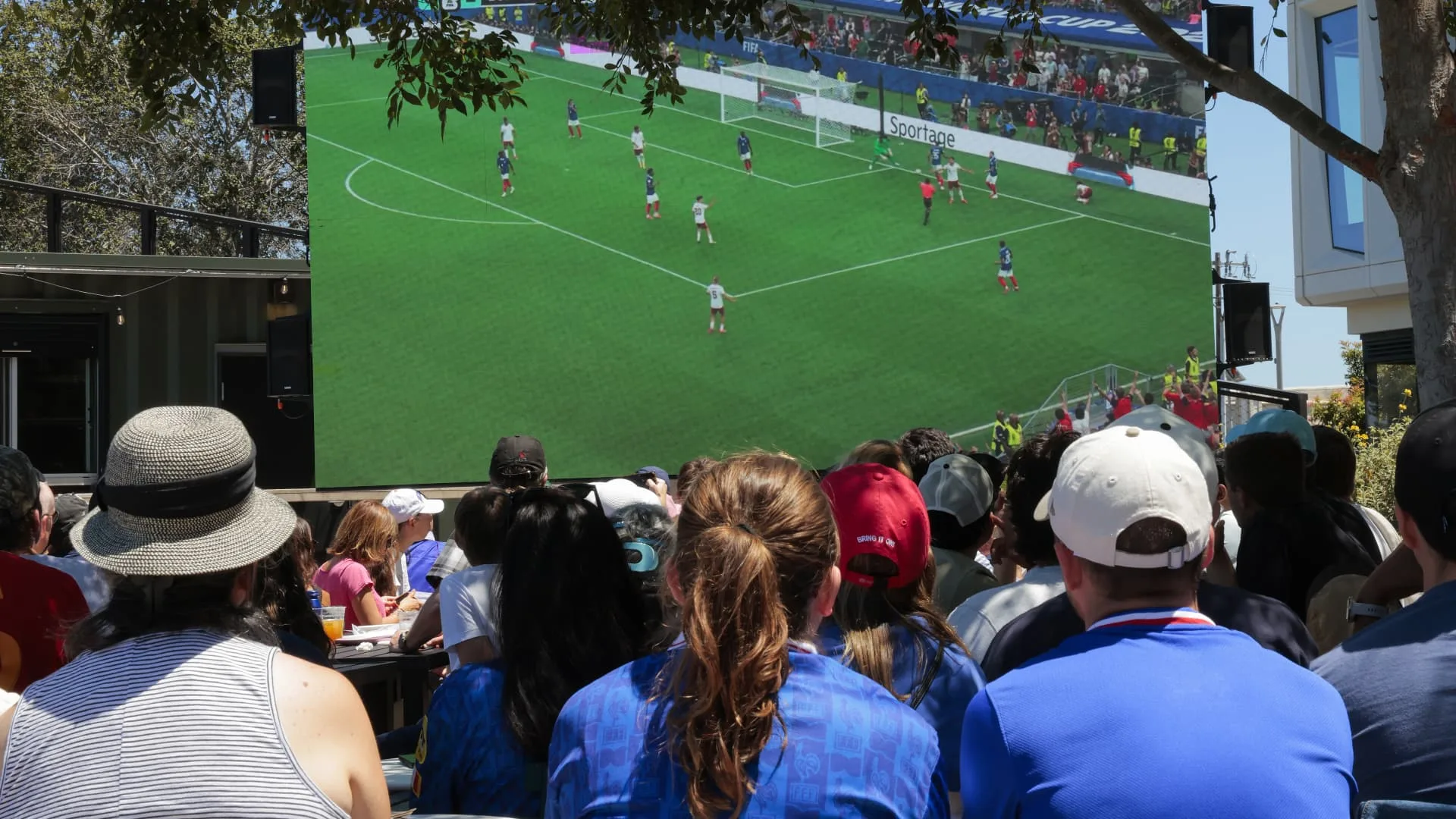
The Federal Reserve’s Beige Book finds World Cup-related tourism raised beer and hotel demand in some host cities, but broader consumer spending softened as visitors and locals trimmed discretionary outlays.
The Federal Reserve’s latest Beige Book reported that the 2026 FIFA World Cup gave a lift to bars, restaurants and hotels in several U.S. host cities — particularly where matches and public watch parties concentrated crowds — but the tournament did not generate broad-based consumer growth across Fed districts.
The Fed’s regional survey, released Wednesday, documented pockets of strong World Cup-related activity — higher beer sales in Boston, increased hotel occupancy in New York and elevated tourism in San Francisco-area match cities — while other regions reported weaker visitor volumes and local spending as consumers shifted toward cheaper options and pared discretionary purchases.
Market Reaction
- Boston: The Boston Fed said hotels initially saw softer bookings tied to the World Cup but later raised stay levels after cutting room rates. Bars reported higher beer sales during match viewings; some establishments temporarily ran out of beer amid an influx of Scottish fans.
- New York City: The New York Fed noted higher hotel occupancy and increased prices per room linked to tournament visitors. Some restaurants and bars described sales as “strong” during match-viewing events, though other eateries reported fewer international visitors and declining Canadian foot traffic. A department store saw more foot traffic without a corresponding sales uptick.
- San Francisco region: The San Francisco Fed tracked high tourist volumes in cities that hosted matches, but also recorded an overall slowdown in demand for consumer and business services as local residents reduced spending on restaurants, hotels and entertainment.
Why It Matters
The Beige Book underscores that while a major sporting event can concentrate spending in host locations and hospitality venues, it may not offset broader consumer caution. Several Fed districts reported that rising oil prices contributed to households trimming discretionary spending or seeking lower-cost alternatives.
Context & Background
TicketData noted median World Cup admissions prices topping $900, a sign of high demand for seats. Despite elevated ticket prices and visible spikes in event-driven consumption, the Fed found that these effects were uneven across regions and did not translate into uniformly stronger retail or services growth.
Regional nuances
- Cross-border travel: The Boston Fed observed higher visitor counts from Canada than the prior summer but still well below historical norms, affecting coastal Maine and northern Vermont towns especially.
- Canadian travel patterns: The New York Fed and other districts cited reduced Canadian cross-border visits; officials connected this to recent Canadian policy shifts and residents’ increased domestic spending, citing government reports referenced in the Beige Book.
Key Quotes
- “Regional Fed reports characterized demand for consumer and business services as having ‘slowed somewhat on net,’” the Beige Book said.
- Local reports: New York and Boston business contacts described a mix of “strong” match-driven sales and segments where international visitor declines offset gains.
What’s Next
The Beige Book’s snapshot will feed into regional Fed officials’ assessments of consumer resilience heading into the next policy discussions. The report highlights that event-driven boosts are fragile and localized, while broader spending patterns remain sensitive to energy costs and cross-border tourism trends.
Bottom Line for Traders
For investors and market watchers, the Beige Book signals that hospitality and leisure stocks tied to major-event tourism may see intermittent, location-specific uplift, but broader consumer-service revenue growth appears constrained. The Fed’s regional observations suggest watchfulness around discretionary-spending indicators and energy-price developments that can reframe consumer behavior.