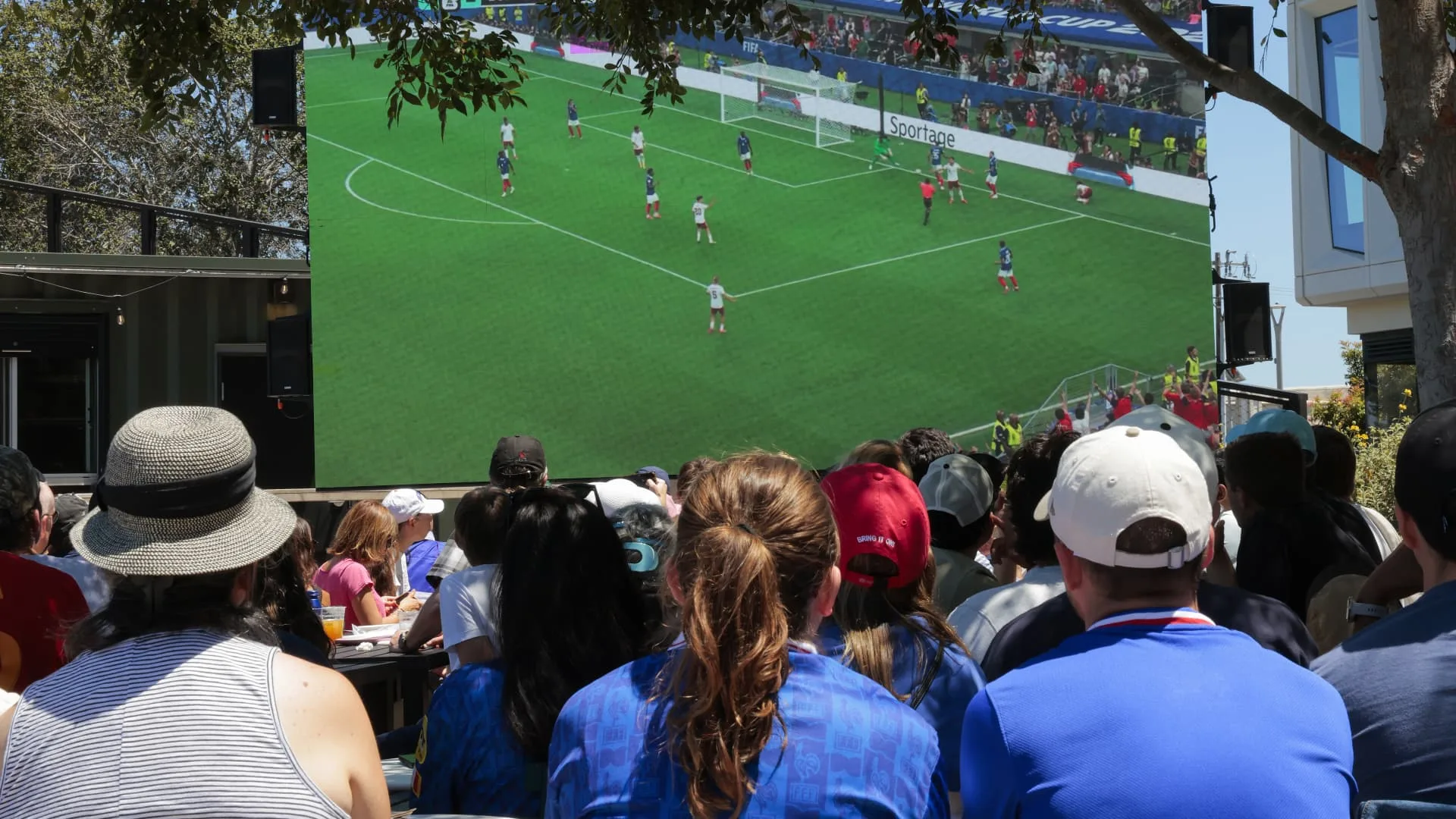
The Federal Reserve’s Beige Book finds host cities saw tourism and hospitality gains during the 2026 FIFA World Cup, but those boosts were limited as consumers pulled back elsewhere amid higher costs.
The Federal Reserve’s latest Beige Book reports that the 2026 FIFA World Cup delivered a measurable tourism and hospitality lift in many host cities—more hotel bookings, higher occupancy and stronger bar and beer sales—but the event did not generate broad-based spending growth across U.S. regions, the Fed said Wednesday.
Market Reaction
- Boston: Initial hotel bookings tied to World Cup matches were softer than expected, the Boston Fed said. After hotels cut room rates, stay levels rose to meet forecasts. Local bars reported stronger beer sales; some establishments ran out of beer as visitors from Scotland arrived in big numbers.
- New York City: Some restaurants and bars described sales as “strong” at match-viewing events, and hotels reported higher occupancy and room rates. However, the New York Fed noted softness at some mid-tier attractions and that increased foot traffic did not always translate into higher retail sales at a department store.
- San Francisco region: In cities that hosted matches tracked by the San Francisco Fed, tourist volumes were high. Outside those host markets, the Fed said consumers pulled back on spending for restaurants, hotels and entertainment, and overall demand for consumer and business services “slowed somewhat on net.”
Why It Matters
The Beige Book’s regional snapshots suggest major sporting events can drive concentrated revenue for hospitality and entertainment businesses in host cities, but those gains do not necessarily translate into a durable, economy-wide uplift. The Fed flagged that rising oil prices and other cost pressures are leading some consumers to trim discretionary purchases or seek cheaper alternatives.
Context & Background
- Ticket prices: The World Cup drew high ticket prices, with TicketData reporting median admissions over $900. That helped push visitor spending in specific venues and hotels where matches took place.
- Cross-border tourism: Several Fed regions noted fewer Canadian visitors than in past summers. The Boston region reported more visitors from Canada than last summer but still below historical averages; some coastal Maine and northern Vermont towns were particularly affected. The New York Fed also cited declining Canadian foot traffic for certain restaurants and attractions. Canadian government reporting on reduced cross-border travel tied this trend to recent U.S. tariff policies, according to the Beige Book summary.
Regional details supported by the Fed
- Boston-area bars saw beer sales jump during match viewings, with some establishments depleted of stock during peak periods.
- New York City hotels reported occupancy and rate gains tied to the tournament, while some retail and mid-tier attractions saw mixed results.
- San Francisco-area host cities recorded high tourist volumes for matches, but other markets within the region experienced weaker local spending.
Key themes from the Beige Book
- Concentrated lifts: Hospitality, bars and some restaurants in host cities benefited from match-related crowds and viewing events.
- Offsetting weakness: Broader consumer spending was capped by higher energy costs and budget-conscious behavior, with consumers trading down or reducing discretionary outlays in several regions.
- Uneven tourism recovery: While some host-city tourism surged, overall visitor volumes remain below historical averages in parts of the Northeast, influenced in part by fewer Canadian travelers.
What’s Next
The Beige Book offers a near-term snapshot of regional conditions; it does not provide forecasts. The Fed’s regional reports underscore that localized gains from major events like the World Cup may not meaningfully alter broader consumption trends while cost pressures and shifting travel patterns persist.
Key Quotes
- Boston Fed: Hotels “saw stay levels rise to meet forecasts after lowering prices.”
- New York Fed: Some restaurants and bars said sales were “strong” during match-viewing events, while other businesses reported weaker international traffic.
Bottom Line for Traders
Traders and investors should view World Cup-related hospitality gains as localized and episodic. According to the Beige Book, the tournament boosted activity in bars, hotels and match-hosting cities but did not overcome softer consumer spending and cost-driven cutbacks observed across multiple Fed districts. These regional details may inform company-level revenue expectations for hospitality, leisure and certain retail names that reported direct ties to match crowds.