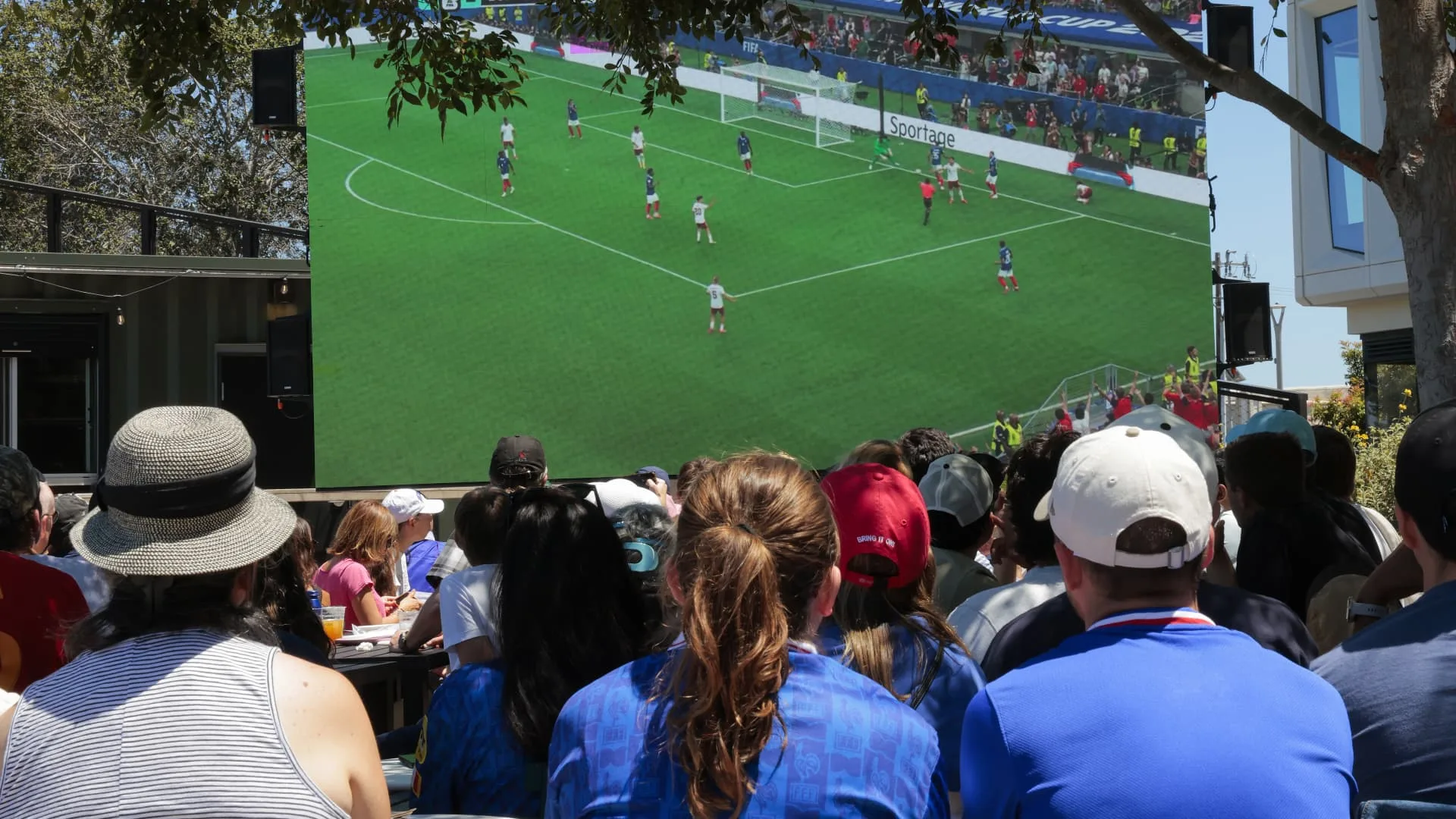
The Federal Reserve’s Beige Book finds local spikes in tourism, hotel occupancy and beer sales in World Cup host cities — but rising oil prices and weaker international visitor flows limited wider spending gains.
The Federal Reserve’s latest Beige Book, published Wednesday, reports that the FIFA World Cup generated noticeable tourism and spending boosts in U.S. host cities — particularly for bars, restaurants and some hotels — but the tournament did not produce broad, economy‑wide strength. The report highlights pockets of strong demand tied to match viewing and visiting fans while also citing offsets from weaker international traffic and consumers trimming discretionary spending amid higher oil prices.
Market Reaction
- Boston: Hotels initially saw softer bookings tied to the World Cup but raised stay levels after cutting room rates; bars reported higher beer sales, and some venues ran out of beer amid an influx of Scottish supporters.
- New York City: Hotels reported higher occupancy and room prices linked to the tournament; several restaurants said match‑viewing events drove “strong” sales, though some mid‑tier attractions and retailers saw increased foot traffic that did not translate into higher sales.
- San Francisco region: Cities that hosted World Cup matches recorded elevated tourist volumes; however, other markets in the Fed’s San Francisco district reported local consumers pulling back on restaurants, hotels and entertainment.
- Boston Fed region beyond the city: Visitor numbers from Canada rose compared with last summer but remained well below historical averages, with coastal Maine and northern Vermont particularly affected.
Why It Matters
The Fed’s Beige Book compiles anecdotal, regional observations on economic conditions and consumer behavior. Its findings suggest that high‑visibility events like the World Cup can deliver concentrated, short‑term gains for hospitality and leisure firms in host markets, but such events alone may not overcome broader consumption headwinds. For sectors sensitive to tourism — hotels, bars, restaurants, and local attractions — the tournament produced measurable benefits in specific urban markets while exposing uneven recovery patterns elsewhere.
Context & Background
The 2026 FIFA World Cup — co‑hosted by the United States — has featured high ticket prices; TicketData reported median admission prices topping $900. The tournament’s concentrated scheduling and location choices funneled international and domestic visitors into particular cities, boosting demand for event‑related services. Yet the Beige Book shows those gains were offset in many regions by fewer international visitors overall and by households seeking cheaper alternatives or reducing discretionary spending.
Key Regional Details
- Boston: Hotels adjusted pricing to meet demand after initial softness; bars reported spikes in beer sales during matches.
- New York City: Higher room rates and occupancy for hotels; mixed results for attractions and retailers despite increased foot traffic.
- San Francisco Fed region: Host cities saw strong tourist volumes, while non‑host communities experienced pullbacks in consumer services.
- Canada‑U.S. cross‑border flows: The Beige Book notes reduced Canadian visitation relative to historical norms in several Fed regions, reflecting broader changes in cross‑border travel patterns.
Consumer Behavior and Cost Pressures
Across multiple Fed districts, respondents said rising oil prices constrained spending, prompting consumers to seek lower‑cost alternatives or reduce discretionary purchases. The Beige Book’s anecdotal reports point to tradeoffs households made between travel, dining out and other services as energy costs rose.
What’s Next
The Beige Book is one of several inputs Fed officials consider when assessing regional conditions and consumer resilience. Its mixed, localized findings imply that while special events can temporarily boost revenues for hospitality firms in host cities, policymakers and market observers should view such effects as narrow and potentially short‑lived in the absence of broader, sustained gains in consumer spending.
Key Quotes
- The Beige Book: demand for consumer and business services “slowed somewhat on net.”
- Boston Fed observers: hotels “saw stay levels rise to meet forecasts after the hotels lowered prices for rooms,” and bars reported higher beer sales tied to matches.
Bottom Line for Traders
The Beige Book’s regional anecdotes suggest selective upside for stocks and businesses tied to tourism and hospitality in World Cup host cities, offset by persistent, economy‑wide caution among consumers. Traders monitoring hospitality, leisure and regional service sectors should weigh event‑driven revenue bumps against broader indicators of consumer retrenchment linked to higher energy costs and weaker international visitation.